




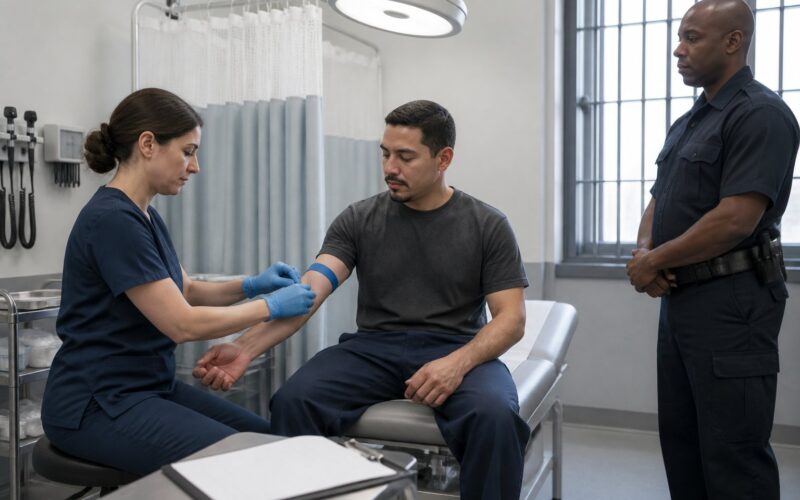
Law enforcement officers don’t have the legal power to outright deny you medical treatment. Still, what they do—or don’t do—can keep you from getting the care you need.
When you’re in police custody, officers have a constitutional duty to provide reasonable medical assistance. Failing to do so can violate your rights under the Eighth and Fourteenth Amendments.
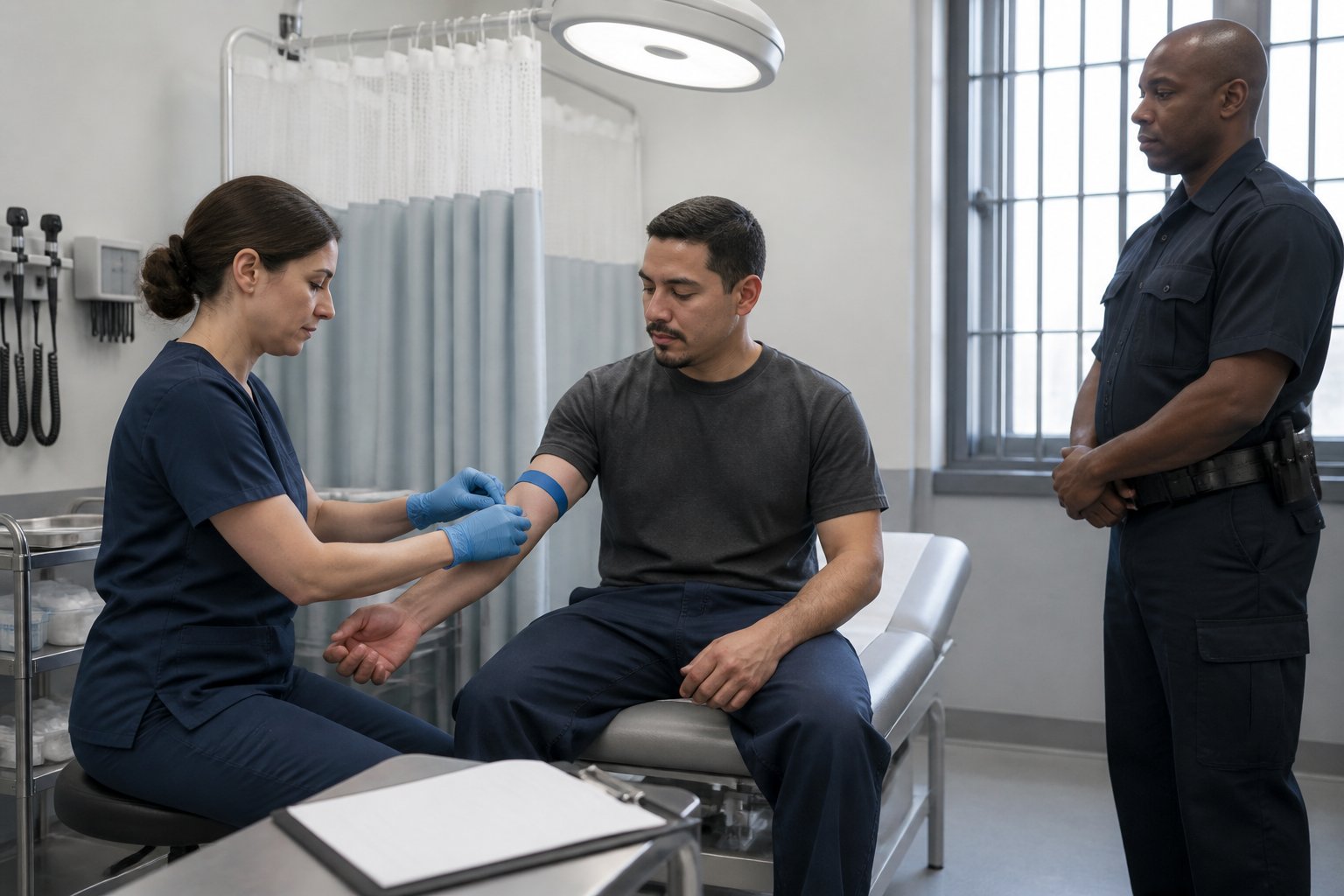
It’s honestly not a simple yes or no. Police can’t formally block medical care, but delays in calling for help, ignoring obvious medical needs, or stopping access to treatment can cause real harm.
Your legal protections depend a lot on whether you’re under arrest, detained, or free to leave.
Knowing your rights when law enforcement and medicine overlap can be the difference between getting care on time and suffering needlessly.
This article covers when officers have to help you get medical treatment, what constitutional protections matter, and what you can do if your rights get trampled.
Key Takeaways
- Police can’t legally deny you medical care, and they have a duty to provide reasonable help when you’re in custody
- Your constitutional protections against denied medical treatment depend on whether you’re arrested, detained, or free to go
- You may have legal claims if officers show deliberate indifference to your serious medical needs while you’re in custody
When Officers Must Obtain Medical Help

Law enforcement officers have a duty to provide medical help if someone in their custody shows signs of medical emergencies or asks for treatment. This covers arrests, transport, and detention.
Recognizing Medical Emergencies and Medical Distress
Officers have to recognize when someone needs immediate medical attention. Medical emergencies include chest pain, trouble breathing, passing out, heavy bleeding, or signs of stroke.
They can’t just ignore these symptoms.
Medical distress isn’t always obvious. It might look like confusion, slurred speech, or strange behavior.
Officers should keep an eye on your condition while you’re in custody. If your physical or mental state changes, they need to respond.
Police have a legal duty to provide medical aid because you can’t get help on your own when detained.
If officers ignore clear medical emergencies, they might violate your constitutional rights.
Requests for Care, Visible Injuries, and Prescribed Medications
When you ask for medical help, officers should take it seriously. You have the right to care for visible injuries like cuts, bruises, or swelling.
Officers should note your injuries and get you the right treatment.
If you take daily meds for things like diabetes, heart disease, or seizures, tell officers right away. Denying those medications can quickly turn into a serious medical problem.
Officers should check your medication needs and help you get them during booking. Missing doses of important meds can cause big problems fast.
Patients in law enforcement custody should be treated with appropriate medical attention for their health and safety.
Medical Needs During Arrest, Transport, and Booking
Your medical needs don’t wait for a good time. Officers should check if you need care before putting you in a patrol car.
If you show signs of injury or illness, they should call emergency medical services before moving you.
During transport, officers need to watch for changes in your condition. The car ride can make things worse, especially if you have breathing trouble or injuries.
Officers can’t just brush off your complaints during the ride.
At booking, jail staff have to screen you for medical issues and current medications. That’s when you should mention all your health problems and treatment needs.
They should ask about recent injuries, chronic conditions, and mental health issues that need ongoing care.
Constitutional Protections Based on Custody Status
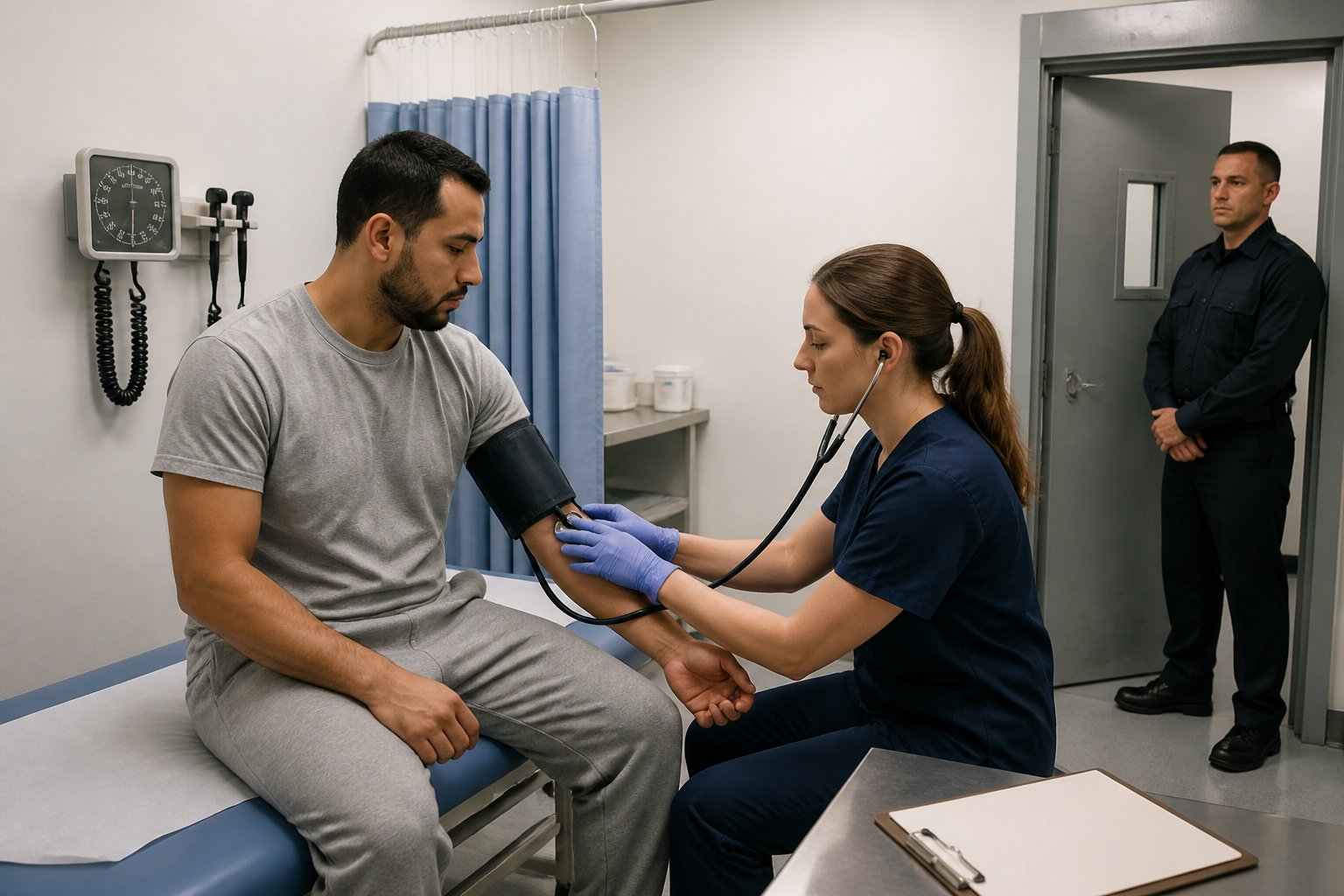
How much constitutional protection you get for medical care depends on whether you’ve been arrested, are waiting for trial, or have already been convicted.
Each status triggers different legal standards for when denying medical treatment crosses the line.
Post-Arrest Care and the Fourth Amendment
Right after law enforcement takes you into custody, the Fourth Amendment protects you from unreasonable seizures. That includes your medical needs right after arrest.
Officers can’t ignore clear signs that you need medical attention during arrest.
If you’re hurt during apprehension or show obvious symptoms of a medical emergency, police have to provide reasonable care.
The Fourth Amendment means law enforcement personnel must ensure proper treatment when taking someone into custody.
If your condition calls for it, officers must arrange for medical evaluation. Denying necessary care at this stage can violate your rights against unreasonable seizure.
Pre-Trial Detainees and the Fourteenth Amendment
Once you’re booked and waiting for trial, the Fourteenth Amendment’s Due Process Clause kicks in. Pre-trial detainees haven’t been convicted, so the standards are different.
The due process clause says you can’t be punished before conviction. Denying you proper medical care as a pre-trial detainee violates due process if officials show deliberate indifference to your serious medical needs.
Courts look at whether jail officials knew about your medical condition and purposely failed to help.
Your status as someone presumed innocent gives you stronger protections than convicted inmates.
Convicted Prisoners and the Eighth Amendment
After conviction, the Eighth Amendment’s ban on cruel and unusual punishment covers your right to medical care. This applies to all inmates in state and federal custody.
Prison officials can’t be deliberately indifferent to your serious medical needs. They have to give you access to treatment for conditions that cause real pain or risk your health.
The Eighth Amendment uses a two-part test. First, your medical need must be serious enough. Second, officials must actually know about the need and ignore it on purpose.
Just disagreeing with the treatment you get doesn’t violate your rights, but outright denial of care for serious conditions does.
Deliberate Indifference Versus Ordinary Negligence
To hold law enforcement accountable for denying medical treatment, you need to show more than simple negligence. The standard is “deliberate indifference” to serious medical needs, which is a much higher bar than regular medical malpractice claims.
What Qualifies as a Serious Medical Need
A serious medical need is something a doctor would say needs treatment, or a condition that causes a lot of pain or suffering. This covers things like broken bones, bad infections, heart problems, or chronic diseases needing ongoing care.
Courts look at whether delaying or denying treatment could make your health worse. Obvious conditions like visible injuries or heavy bleeding usually meet the standard.
Minor issues like a headache or a small cut usually don’t qualify. The condition has to put you at real risk if left untreated.
Proving Deliberate Indifference to Serious Medical Needs
Deliberate indifference means more than just being careless. You have to show the officer knew about your serious medical need and chose to ignore it.
Simple mistakes or even gross negligence aren’t enough. The officer must know there’s a big risk to your health and intentionally not do anything.
Examples include intentionally denying or delaying access to medical care even though they’re aware of your condition.
You need proof that the officer made a deliberate choice to ignore your needs, not just that they messed up.
How a Negligence Claim Differs From a Civil Rights Claim
Medical negligence claims use standard malpractice rules: you prove a duty of care, breach, and damages. It’s about whether the care fell below accepted medical standards.
Civil rights violations for deliberate indifference to serious medical needs require proof of constitutional violations under the Eighth or Fourteenth Amendment. The mental state required is much higher than for plain negligence.
With negligence, you can get damages for mistakes. For civil rights claims, you need to show intentional conduct or reckless disregard for known risks.
Simple negligence or malpractice alone doesn’t prove deliberate indifference.
Common Forms of Denied or Delayed Care
When law enforcement denies or delays medical care, it usually happens in a few ways. These include not calling for emergency help, withholding necessary medications, blocking follow-up treatment, and ignoring mental health crises.
Failure to Call for Emergency Evaluation
One of the worst forms of denial happens when officers brush off clear signs of a medical emergency. You might have chest pain, trouble breathing, or even pass out in custody, but officers sometimes think you’re faking or exaggerating.
Law enforcement acting as gatekeepers can delay access to medical help for hours or longer. Sometimes officers just assume people in custody are lying to avoid jail or get drugs.
This can mean serious conditions like heart attacks, strokes, or diabetic emergencies get ignored.
The delay can cause permanent damage or even death. When you report medical distress, officers need to take it seriously and call for help.
Failure to do that is a serious form of police misconduct that violates your rights.
Withholding Medication or Follow-Up Treatment
Refusing to give prescribed medications is one of the most common problems in detention. You might need an inhaler, insulin, heart meds, or other essentials, but officers sometimes won’t let you have them.
When prison officials deny or delay getting inmates medical care, your health is at real risk. Officers may say they need to verify your prescription or that you’ll get your meds “later.”
These delays can quickly turn into emergencies, especially for chronic illnesses.
Follow-up care after injuries also gets blocked. If you were hurt during arrest, you need more than just basic first aid.
Officers sometimes refuse to get you X-rays, stitches, or other needed care.
Mental Health Crises, Withdrawal, and Suicide Risks
Mental health care barely gets attention during detention. Officers often put people in isolation during psychiatric crises instead of calling mental health professionals.
Treatment delays in psychiatric care can create dangerous situations. If you’re going through drug or alcohol withdrawal, you could face seizures or even death without proper supervision.
Officers sometimes mistake withdrawal symptoms for intoxication or bad behavior. Suicide risks go way up when mental health distress is ignored.
If you express suicidal thoughts or show warning signs, law enforcement has to provide immediate mental health evaluation and monitoring.
Preserving Evidence and Protecting Medical Privacy
Law enforcement has to balance collecting evidence with your medical privacy. Medical records, video footage, and witness statements can be critical for investigations, but strict legal protections limit officer access.
Obtaining Medical Records and Documenting Injuries
You can’t just get someone’s medical records without going through the right legal steps. Law enforcement needs a warrant or subpoena to access most medical records.
A judge must approve these documents after reviewing if the request is reasonable and necessary for an investigation. When documenting injuries, officers can photograph visible injuries if you agree.
They might also ask medical staff to document injuries in their reports. Healthcare providers can’t share your protected health information without proper authorization.
You keep rights over your medical information, even during investigations. Officers can’t force medical staff to disclose details about your treatment, medications, or history without the right legal paperwork.
The privacy of medical information is protected under federal and state law.
Securing Video Footage and Witness Statements
Law enforcement can request video footage from hospital security cameras, but they need permission from the facility or a court order. Public areas like waiting rooms and hallways may have fewer privacy protections than exam rooms.
Witness statements from medical staff need careful handling. Doctors and nurses can describe what they saw, like visible injuries or your condition when you arrived.
They can’t talk about your diagnosis, treatment plans, or anything discussed during your exam without authorization. Officers may ask witnesses to provide written or recorded statements about what they saw before, during, or after an incident.
These statements become part of the investigation record and might be used in court.
HIPAA, Protected Health Information, and Lawful Requests
HIPAA keeps your medical information private. Protected health information covers your diagnosis, treatment records, medications, test results, and billing info.
Medical facilities must keep this information confidential unless certain exceptions apply. Law enforcement can access your protected health information only in limited situations:
- With a warrant signed by a judge
- With a subpoena approved by a court
- To identify or locate a suspect if there’s an immediate threat
- When required by law for reporting certain injuries like gunshot wounds
Healthcare providers in immigration detention facilities face extra challenges around privacy and officer presence during exams. You still have privacy rights, no matter your immigration status, though enforcement can vary.
Medical staff can’t deny you treatment just because law enforcement wants to preserve evidence. Your right to necessary medical care comes first.
Potential Claims, Defenses, and Next Steps
If law enforcement denies you medical treatment and you get hurt, you have legal options under both federal civil rights laws and state claims. Knowing what damages you can claim, how to file complaints, and what defenses officers might use helps you act quickly.
Section 1983 Claims and State Court Negligence Actions
You can file a Section 1983 claim in federal court if police officers violate your constitutional rights by denying medical care. This law lets you sue government officials acting under state authority.
The Eighth Amendment protects prisoners from deliberate indifference to serious medical needs. The Fourteenth Amendment covers pretrial detainees.
To win a Section 1983 claim, you have to show the officer knew you needed medical care and deliberately ignored it. Simple negligence isn’t enough for federal civil rights cases.
You can also pursue negligence claims in state court under state tort laws. State court actions usually have different standards.
Some states let you sue for medical malpractice or wrongful death if officers fail to provide care. State law claims may be easier to prove since they sometimes only require negligence instead of deliberate indifference.
Available Damages and Wrongful-Death Losses
Damages can include compensation for physical injuries, emotional distress, and economic losses. You might recover medical expenses for treatment after the denial of care.
Lost wages and future earning potential are also possible if injuries keep you from working. In cases involving death, your family can file a wrongful-death lawsuit.
These claims can cover funeral and burial expenses, loss of financial support, loss of companionship, and pre-death pain and suffering. Punitive damages might be available if officers acted with malice or reckless disregard, though government entities often cap total recovery amounts.
Complaints, Internal Affairs, and Legal Representation
Filing a complaint with the police department’s internal affairs division creates an official record. Internal affairs investigates officer misconduct, but this process doesn’t give you financial compensation.
Keep records of injuries, witness statements, and all communication with officers. Request copies of incident reports, booking records, and jail medical logs.
Contact a civil rights attorney who handles police misconduct cases. Most civil rights attorneys offer free consultations and work on contingency, so they only get paid if you win.
Legal representation really matters because these cases involve complex legal standards and strict deadlines. An attorney can file your claim before the statute of limitations runs out, which is often sooner than you’d think.
Qualified Immunity and Why Prompt Legal Advice Matters
Officers often use qualified immunity as a defense in civil rights cases. This legal rule protects government officials unless they violate clearly established constitutional rights that any reasonable officer would know.
Courts look at whether similar cases in your area already established that denying medical treatment in your situation was unconstitutional. Qualified immunity defenses can sometimes get cases dismissed early.
You need a lawyer who knows how to argue that your right was clearly established at the time. Getting quick legal advice is important because evidence disappears fast.
Witnesses forget, video footage gets deleted, and police reports become harder to challenge. Most states require you to file notice of claims against government entities within 90 to 180 days.
If you miss these deadlines, your case could be over before it starts.
Frequently Asked Questions
Police officers have clear legal duties to provide medical care to people in their custody. Failing to meet those duties can lead to serious legal trouble.
Knowing when officers must act and what rights detainees have helps you understand law enforcement responsibilities.
Can police refuse to provide medical care to someone in custody?
No, police can’t refuse to give medical care to someone in their custody. Once you’re detained or arrested, officers have to make sure your basic medical needs are met.
This duty comes from the Eighth Amendment’s ban on cruel and unusual punishment. If you have an obvious injury or condition, officers need to respond.
Deliberate indifference to serious medical needs violates your constitutional rights. Officers who ignore clear signs of distress may face legal consequences.
When are officers required to call for emergency medical assistance?
Officers must call for emergency medical help if they see serious injuries, distress, or life-threatening conditions. This covers things like unconsciousness, heavy bleeding, trouble breathing, or chest pain.
Law enforcement often responds first to medical emergencies in the community. If someone in custody shows signs of a medical emergency, officers can’t delay getting professional help.
You have the right to request medical attention during detention. Officers must take reasonable requests seriously and check if emergency services are needed.
What rights do detainees have to medical treatment after an arrest?
You have the right to get adequate medical care while in custody. This includes treatment for pre-existing conditions, injuries from arrest, and new medical problems that come up.
Officers should do a basic screening when booking you. If you mention medical conditions or medications, they need to document it and take action.
The right to refuse medical treatment can get complicated with law enforcement involved. Officers can’t force treatment on you unless it’s an emergency and you can’t make decisions for yourself.
Can law enforcement deny medical care during an interrogation or booking process?
Law enforcement can’t deny you necessary medical care during interrogation or booking. If you need immediate attention, officers must pause their procedures to address your health.
The presence of law enforcement in emergency departments can affect how care is delivered, but officers have to let medical professionals do their job.
You can ask to see a doctor or nurse during booking if you have concerns. Officers shouldn’t use medical care as a bargaining chip during questioning.
What happens if an officer ignores a person’s medical emergency?
If an officer ignores your medical emergency, they could face criminal charges, civil lawsuits, and departmental discipline. Deliberate indifference to serious medical needs is a constitutional violation.
The consequences depend on how badly you were harmed and whether the officer acted intentionally or was just negligent. Courts consider if a reasonable officer would have recognized the need for care.
Use-of-force tactics that involve medical questions raise extra concerns. When officers use force that causes injury, they have to provide or call for medical help right away.
Can a person sue police for failing to provide necessary medical treatment?
Yes, you can sue police officers and their departments if they don’t provide necessary medical treatment. These cases usually claim your constitutional rights were violated under federal civil rights laws.
To win, you have to show the officer knew you needed medical care but ignored it anyway. That means proving the officer saw your need and just decided not to act.
Emergency physicians have professional responsibilities to give proper medical care, no matter if police are involved. If officers stopped you from getting treatment, you might have claims against both the officers and sometimes even the medical facility.