



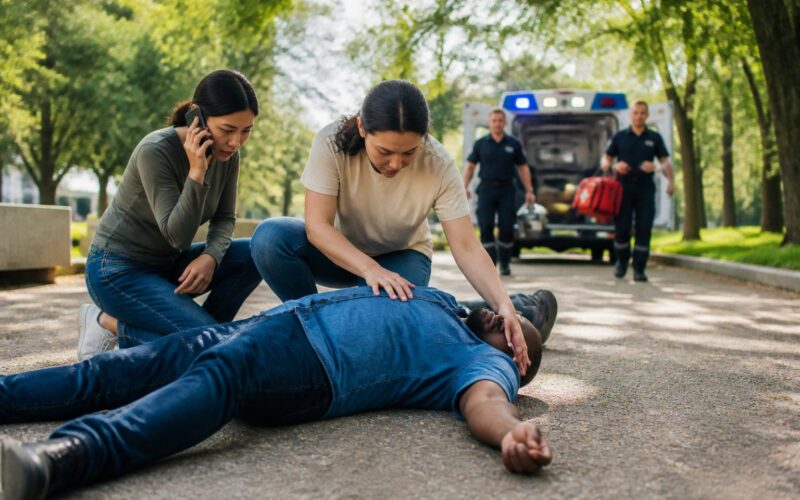
When you see a medical emergency, you might pause, worried you could get sued for trying to help. A Good Samaritan law is a legal protection that shields people from liability when they provide emergency care in good faith to someone who’s hurt or in danger.
These laws exist in every state. The idea is to encourage bystanders to step in when professional help isn’t there yet.
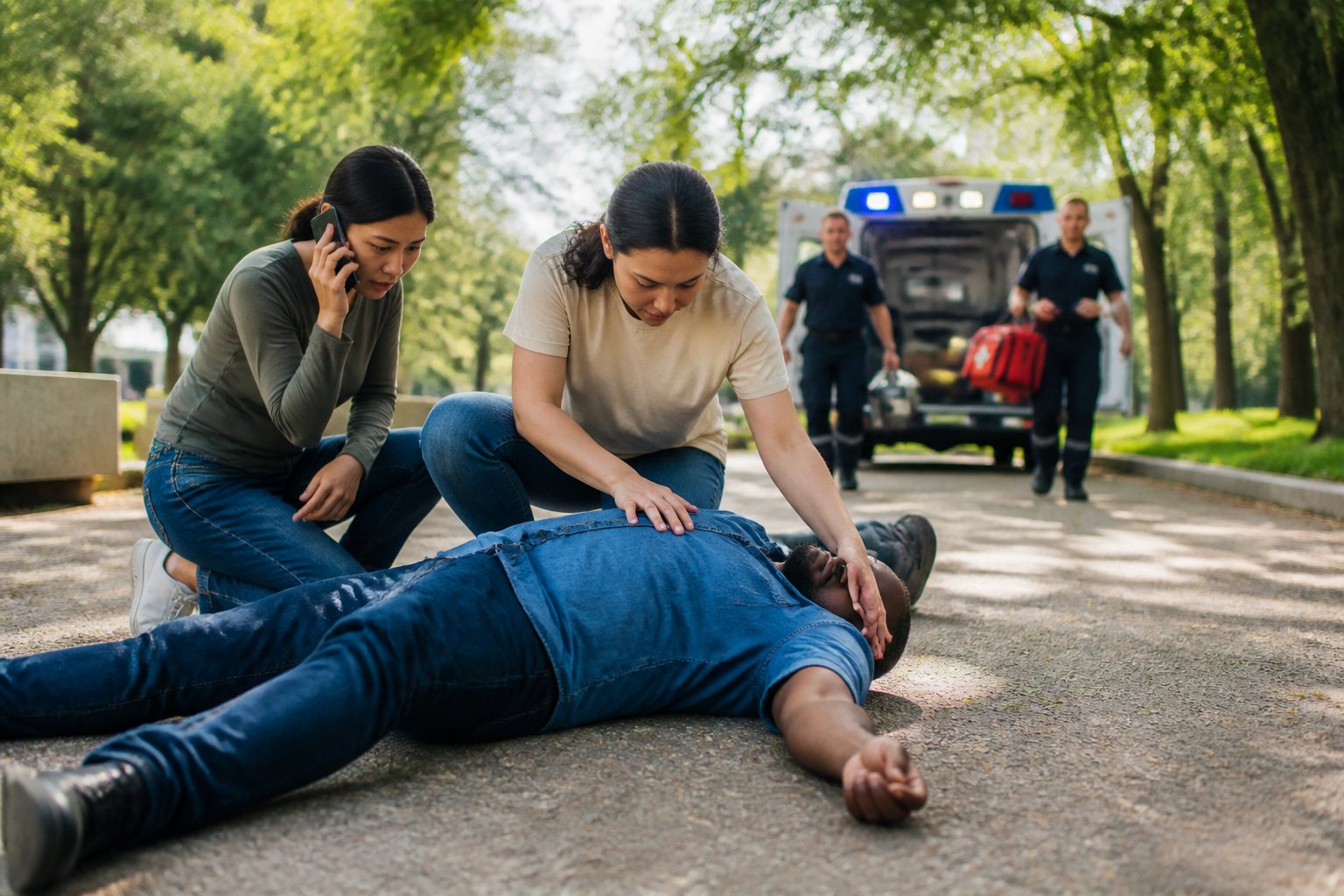
If you stop to help someone having a heart attack or aid an injured person after a crash, Good Samaritan laws offer legal protection as long as you act reasonably and don’t expect payment. The laws recognize that emergencies require fast action, and people shouldn’t fear lawsuits for trying to help.
Knowing how these protections work can give you a little more confidence to act when someone needs help. The rules aren’t identical everywhere, and some actions aren’t covered.
Key Takeaways
- Good Samaritan laws protect people who give emergency care in good faith from lawsuits.
- The protection usually applies if you act reasonably, without payment, and the person needs urgent help.
- Rules change by state and may differ for medical professionals and regular folks.
Core Purpose and Legal Framework
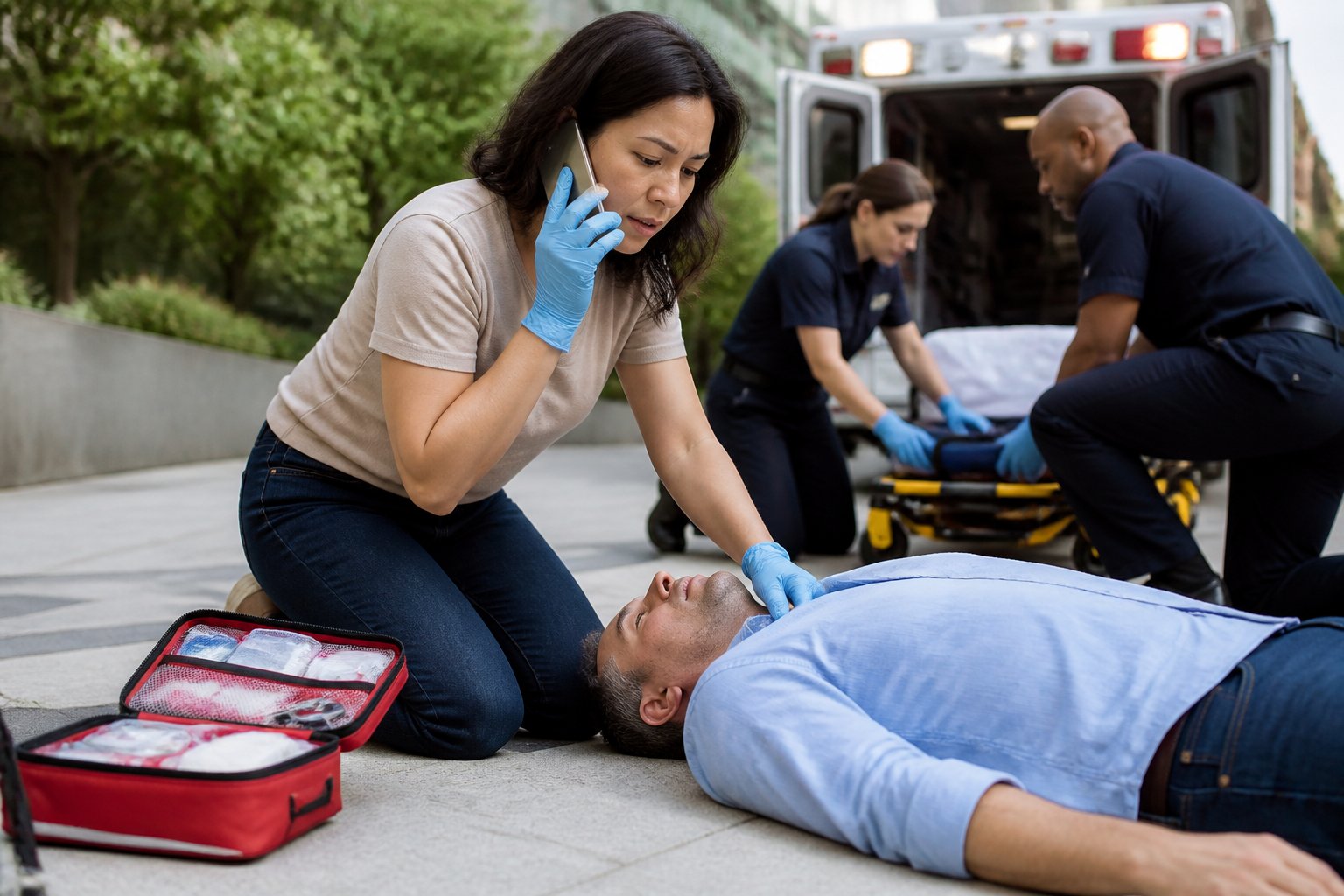
Good Samaritan laws create liability protection for people who jump in to help during emergencies. These statutes try to balance encouraging bystanders to help with protecting them from civil damages.
Why Medical Good Samaritan Protections Exist
Without legal immunity, you might hesitate to help because you’re afraid of getting sued. This fear leads to the bystander effect, where people just stand by even if someone needs help.
Good Samaritan protection fixes this by shielding you from civil liability when you give reasonable help in an emergency. The law figures that imperfect help is better than no help at all when a life’s on the line.
These protections apply across the United States and the District of Columbia. Every state has some version of Good Samaritan legislation to encourage people to act in medical emergencies.
The statutes usually protect actions taken in good faith, without expecting payment, and outside a hospital or clinic.
How Good Samaritan Statutes Differ From a Duty to Rescue
A Good Samaritan statute gives you immunity if you choose to help. A duty to rescue is something else entirely—it’s a legal requirement to act.
Most places in the US don’t require you to help a stranger in distress. The law won’t punish you for doing nothing, even if you could have helped with no risk to yourself.
Some states make exceptions, like duty to assist laws for parents or if you caused the danger. These are different from Good Samaritan protections.
State Laws and the Role of Common Law
Every state writes its own Good Samaritan act, and the rules can be wildly different. Some limit protection to licensed healthcare workers; others let anyone helping qualify.
The scope of protection isn’t the same everywhere. Your state might only cover accident scenes, or it might include other emergencies. Some laws don’t protect you if you act with gross negligence or willful misconduct.
Judges also look at previous cases to figure out if your actions qualify for immunity when the law isn’t clear.
When Liability Protection Usually Applies
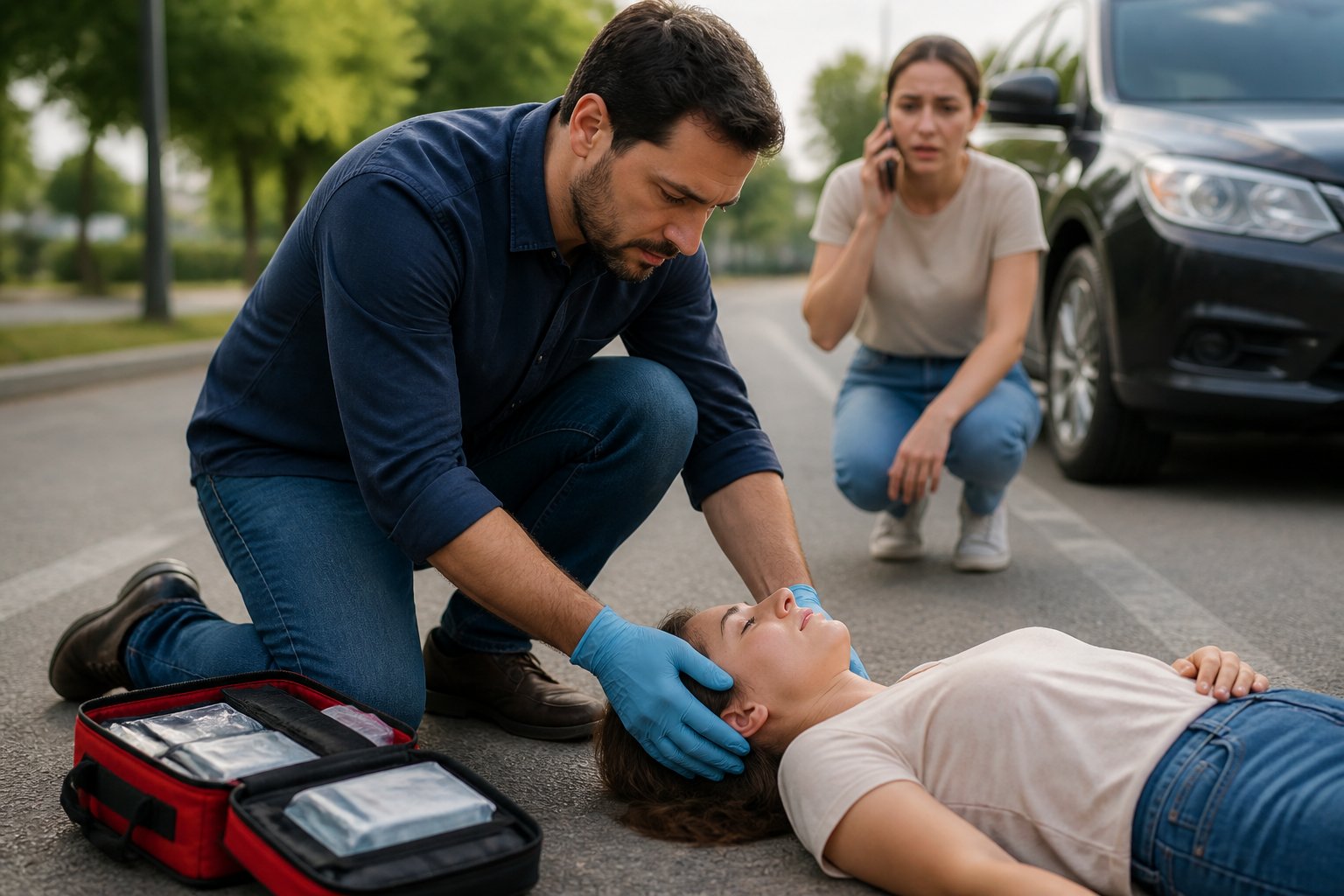
Good Samaritan laws protect you from lawsuits when certain conditions are met during emergencies. The protection depends on whether you act as a volunteer without pay, give reasonable care in good faith, and have proper consent.
Acting Voluntarily and Without Compensation
You have to help without expecting or getting paid for Good Samaritan protection to kick in. If you get any compensation, you’re not considered a Good Samaritan and legal protections do not apply.
This rule applies to both medical professionals and regular folks. If you’re a doctor helping outside your job, you can still be protected if you volunteer. But if you’re on-call or supposed to treat someone, these laws usually don’t cover you.
The volunteer requirement keeps the focus on helping, not making money. Most states make this clear to avoid abuse.
Good Faith, Reasonable Care, and Scope of Practice
Good Samaritan laws protect against ordinary negligence but not gross negligence or willful misconduct. You have to act in good faith and give the kind of care most people would offer in the same situation.
Ordinary negligence means you didn’t act as carefully as most people would. Gross negligence is more serious—like ignoring obvious dangers or being extremely careless.
If you’re a medical professional, you should stick to your training and abilities. Laypeople who offer basic aid like CPR or first aid are usually protected if they act reasonably.
The standard of reasonable care depends on your training and the emergency.
Consent and Implied Consent in Emergencies
You need to get consent before helping someone who’s awake and able to respond. If the person is unconscious or can’t answer, you can act under implied consent.
Implied consent means a reasonable person would want help if they couldn’t ask for it. This covers situations where someone is unconscious, badly hurt, or otherwise unable to give permission.
If someone’s awake, you should ask before helping. If they say no, you generally can’t provide care—even in an emergency.
These rules try to balance emergency help with respect for personal choices.
Actions That Can Fall Outside Protection
Good Samaritan laws don’t cover everything. Medical personnel who act with gross negligence or behave recklessly can’t claim immunity. It’s important to know where the line is.
Ordinary Negligence Versus Gross Negligence
Most Good Samaritan laws protect you from claims of ordinary negligence. That means simple mistakes or errors in judgment that a reasonable person might make during an emergency.
Gross negligence is another story. It’s when you act with extreme carelessness or ignore someone’s safety.
Good Samaritan protection usually doesn’t apply to grossly negligent actions. If you make a basic mistake while trying to help, you’re probably protected. But if you ignore obvious risks or act in a way that’s way out of line, you lose that protection.
Courts check if your actions were way off from what most people would do in the same situation. The bar is high, but if you cross it, you’re on your own.
Recklessness, Willful Misconduct, and Intentional Harm
Recklessness is worse than negligence. If you know your actions could hurt someone and do them anyway, that’s reckless.
Willful misconduct and intentional harm mean you did something bad on purpose. These never get Good Samaritan protection.
If you help while drunk, do procedures you know you’re not qualified for, or ignore clear warnings, you can’t claim immunity. Deliberate harm or extreme recklessness isn’t protected.
The law expects you to act in good faith. If you break that trust, the protection disappears.
Civil Claims, Criminal Liability, and Evidence
Good Samaritan laws mostly protect you from civil lawsuits, like personal injury or malpractice claims. They don’t automatically protect you from criminal charges.
If what you do during emergency care is a crime, you can face criminal liability and get arrested. Criminal charges need evidence that you broke the law, and that’s a different process from civil claims.
You can still face civil claims if you go beyond what Good Samaritan protection allows. The person you tried to help might sue if they think you caused more harm through gross negligence or misconduct.
Courts look at the evidence to decide if you qualify for immunity. If it’s just a simple mistake during a real emergency, you’re usually protected. But if there’s proof of gross negligence, recklessness, or intentional harm, you’re not.
What Bystanders Should Do During a Medical Emergency
If you see a medical emergency, your actions can make a real difference. The basics: call emergency services right away, give first aid only if you know how, and use CPR or an AED if someone’s heart has stopped.
Call 911 and Follow Emergency Services Instructions
Call 911 as soon as you realize there’s an emergency. The dispatcher will ask about the victim’s condition and where you are.
Stay on the line and answer their questions. They’ll guide you through what to do next, like how to position the person or whether you should try anything before help arrives.
Don’t hang up until the dispatcher says it’s okay. First responders need accurate info to prepare, so tell them about any bleeding, breathing problems, or if the person is conscious.
Law enforcement might show up too, to manage the scene and keep everyone safe.
Provide First Aid Within Your Training
Only give first aid if you’ve been trained for the emergency you’re facing. Doing something you’re not trained for can make things worse.
If you know basic first aid, you can help with things like stopping bleeding by pressing a clean cloth on the wound. Don’t try medical procedures you’ve never learned.
If you’re not sure what to do, just wait for first responders and focus on keeping the person calm and comfortable. Keep them still unless they’re in immediate danger where they are.
If they seem cold, cover them with a blanket. Reassure them that help is on the way.
Use CPR and an AED for Cardiac Arrest When Appropriate
If someone goes into cardiac arrest and isn’t breathing or doesn’t have a pulse, start CPR right away if you know how. The American Heart Association says that if you’re untrained, just do hands-only CPR—push hard and fast in the center of the chest, aiming for 100 to 120 compressions each minute.
An automated external defibrillator (AED) can help restart a heart that’s stopped beating normally. You’ll often find AEDs in public places like airports, gyms, and schools.
If there’s an AED nearby, turn it on and follow the voice prompts. The device checks the heart rhythm and tells you if a shock is needed.
You don’t need to be a medical expert to use an AED safely. The machine won’t shock someone unless it’s actually needed, so there’s no real risk of hurting them by trying.
Rules for Medical Professionals and Specialized Emergencies
Medical professionals have different Good Samaritan rules than regular folks. Emergencies like drug overdoses or allergic reactions come with their own legal protections.
Healthcare workers may be held to higher standards of care, even off duty. Laws about naloxone and epinephrine give targeted immunity for certain life-saving actions.
Off-Duty Physicians, Nurses, and Other Healthcare Professionals
If you’re a licensed medical professional helping someone off the clock, Good Samaritan laws do protect you, but the rules aren’t always the same as for bystanders. Many states extend protections to licensed medical personnel who help in emergencies outside their normal work setting.
Doctors, nurses, and other healthcare professionals usually have to meet a higher standard of care than the average person. You’re expected to use your training and knowledge when giving emergency help.
Good Samaritan acts require medical professionals to apply their specialized knowledge during emergencies.
Key requirements for off-duty medical professionals:
- Act in good faith and don’t expect payment
- Stay within your training and expertise
- Avoid gross negligence or misconduct
- Stop care if emergency services arrive
Your specialty matters, too. A cardiologist at a heart attack scene would be judged differently than, say, a dermatologist.
Drug Overdoses, Naloxone, and Medical-Assistance Immunity
In most states, you can give naloxone to someone overdosing on opioids without worrying about legal trouble. Many states have laws that protect both professionals and regular people who give naloxone in emergencies.
You don’t need medical training to be protected. In most places, you don’t have to be a doctor or nurse to use naloxone legally. Some states even let you get naloxone from a pharmacy without a prescription.
Common naloxone immunity rules:
- Protection for anyone giving naloxone in good faith
- Immunity for prescribers who give naloxone for others to use
- Protection from liability if the person doesn’t survive
- Exemption from minor drug possession charges at the scene
If you call 911 during an overdose, medical-assistance immunity laws often protect you from prosecution for minor drug charges. That’s a relief if you’re worried about getting in trouble for helping.
Epinephrine, Allergic Reactions, and AED-Specific Laws
Most states let you use an AED or give epinephrine during allergic reactions under special Good Samaritan protections. These laws exist because AEDs and epinephrine auto-injectors are meant for use by non-medical folks in emergencies.
AED laws usually protect you whether you’re a healthcare worker or just a bystander. The devices guide you with voice instructions, and as long as you act reasonably, you’re covered.
Epinephrine auto-injectors (like EpiPens) come with their own immunity rules. You can use someone else’s injector on them during a severe reaction without getting sued in most states. Some places even protect you for using your own prescription epinephrine to help someone else.
Protected actions usually include:
- Using public AEDs in emergencies
- Giving epinephrine for suspected anaphylaxis
- Following device instructions in good faith
- Helping without expecting payment
Federal and Nonmedical Good Samaritan Protections
Some federal Good Samaritan laws cover situations outside typical medical emergencies. The Aviation Medical Assistance Act protects medical professionals who help during in-flight emergencies on commercial planes.
The Aviation Medical Assistance Act, passed in 1988, shields healthcare workers and airlines from liability when medical help is needed mid-flight. You’re protected whether you’re a physician, nurse, or another health professional.
The Good Samaritan Food Donation Act protects you and your organization when donating food to nonprofits. This law encourages food donations by limiting liability for businesses, manufacturers, and individuals who give away good food in good faith.
Federal protections include:
- Medical assistance on airplanes
- Food donation to hunger relief groups
- Volunteer health services in certain federal programs
- Emergency response during federal disasters
These federal laws work with state Good Samaritan statutes. You might be protected by both, depending on where and how you help.
Why State-Specific Advice Matters
Good Samaritan laws are all over the map from state to state. The legal protection you get depends on where you help out.
Each state sets its own rules about who’s covered, what actions are protected, and when immunity applies.
Comparing Duty-to-Assist States
Most states don’t legally require you to help during a medical emergency. A few states, though, have duty-to-assist laws that are different.
Vermont, Minnesota, and Rhode Island are examples. In Vermont, you must help someone facing serious harm if you can do so safely. Minnesota requires reasonable assistance for people who are injured or in danger, but the penalties for not helping aren’t very harsh.
These rules are different from regular Good Samaritan protections. While most states just protect you from lawsuits if you choose to help, duty-to-assist states might actually require you to act.
Examples of State-Level Protections and Limits
Good Samaritan protections vary a lot by state. Some states only protect licensed medical professionals, while others cover anyone who provides reasonable help.
Louisiana limits its Good Samaritan law to certain people and situations. Your protection there depends on your credentials and the type of emergency.
Drug emergencies are treated differently depending on the state. State-specific laws on naloxone and Good Samaritan exemptions affect whether you get immunity when helping in an overdose. Some states offer broad protection for calling 911 during a drug emergency, while others are more limited.
When to Consult a Qualified Attorney
If you regularly volunteer medical services or work in emergency response, you should get legal advice before relying on Good Samaritan laws. Liability laws are state-specific, so talking to an attorney helps you understand your rights where you live.
Professional rescuers face different standards than regular people. If you provide care as part of your job or get paid for it, you probably don’t get standard Good Samaritan immunity.
An attorney can tell you if your state’s law covers the kind of help you want to give. This matters even more if you volunteer across state lines or if your professional credentials could affect your protection.
Frequently Asked Questions
Good Samaritan laws have rules about who gets protection and what actions qualify for immunity. These laws usually protect people who act in good faith during emergencies, but there are some limits.
Who is protected under Good Samaritan laws?
Good Samaritan laws protect those who help others in emergencies. Most states cover regular people who step in during medical crises.
Many states specifically mention physicians and other licensed medical professionals as protected. Some include nurses, paramedics, and EMTs. Others have broad laws that cover anyone who helps in an emergency.
The protection usually applies when you help someone who isn’t already your patient. Good Samaritan acts mean helping someone in an emergency who isn’t your existing patient.
What are the main components of a Good Samaritan law?
You have to act in good faith when giving emergency care. Don’t expect payment or favors for helping.
It needs to be a real emergency where quick action is needed. Provide care that matches your training and skills. Don’t act with gross negligence or on purpose to hurt someone.
The person helping must act as a Good Samaritan, not in their regular job. If you expect to be paid, the law usually doesn’t apply.
Do Good Samaritan laws apply to doctors and nurses?
Doctors and nurses are covered by Good Samaritan laws in most states, but only when they help outside their normal work duties.
If a doctor treats a patient in their office or hospital, Good Samaritan laws don’t cover that. Regular medical practice isn’t protected by Good Samaritan laws.
Protection extends to off-duty healthcare workers who help in emergencies. They still have to stay within their training and avoid gross negligence.
Can someone be sued for providing emergency medical assistance?
Even with Good Samaritan protection, someone can still sue you. These laws give you a defense, but they don’t stop lawsuits from being filed.
You’re protected when you act reasonably and in good faith. If you act with gross negligence or intentionally cause harm, you lose that protection. Courts look at whether your actions made sense for the situation.
Some people question these laws because they limit the right to sue for medical malpractice. Still, most Good Samaritan laws have held up in court.
What actions are not protected by Good Samaritan laws?
Gross negligence and reckless actions aren’t protected. If you act carelessly or on purpose to hurt someone, you could be liable.
If you expect payment, you don’t get protection. Moving someone when it isn’t safe or needed can also get you in trouble.
Giving care that’s way beyond your training might not be covered. If you start helping but then abandon the person before help arrives or the emergency ends, you could lose legal protection.
What is an example of how a Good Samaritan law applies in a medical emergency?
A doctor is driving home and spots a car accident. She pulls over and helps an injured person, giving basic first aid until the ambulance shows up.
Good Samaritan laws usually cover this kind of situation. The doctor volunteered to help, and she wasn’t acting as part of her regular job.
If the injured person later says the doctor made things worse, the law would probably protect her. She just needs to show she acted in good faith and didn’t do anything wildly careless.
Since she didn’t get paid for helping, that makes her protection even stronger.
Picture a nurse in a shopping mall who sees someone collapse and jumps in to give CPR. The law would have that nurse’s back too, since she responded to a sudden emergency and used the skills she’s trained for.