





A lot of people use “legal medicine” and “forensic medicine” like they’re interchangeable, but there are real differences between them. Legal medicine is the bigger field that brings any kind of medical knowledge into solving legal problems, while forensic medicine zooms in on examining physical evidence and investigating deaths, mostly for the criminal justice system.
If you work in healthcare, law enforcement, or legal professions, it’s worth knowing how they differ.
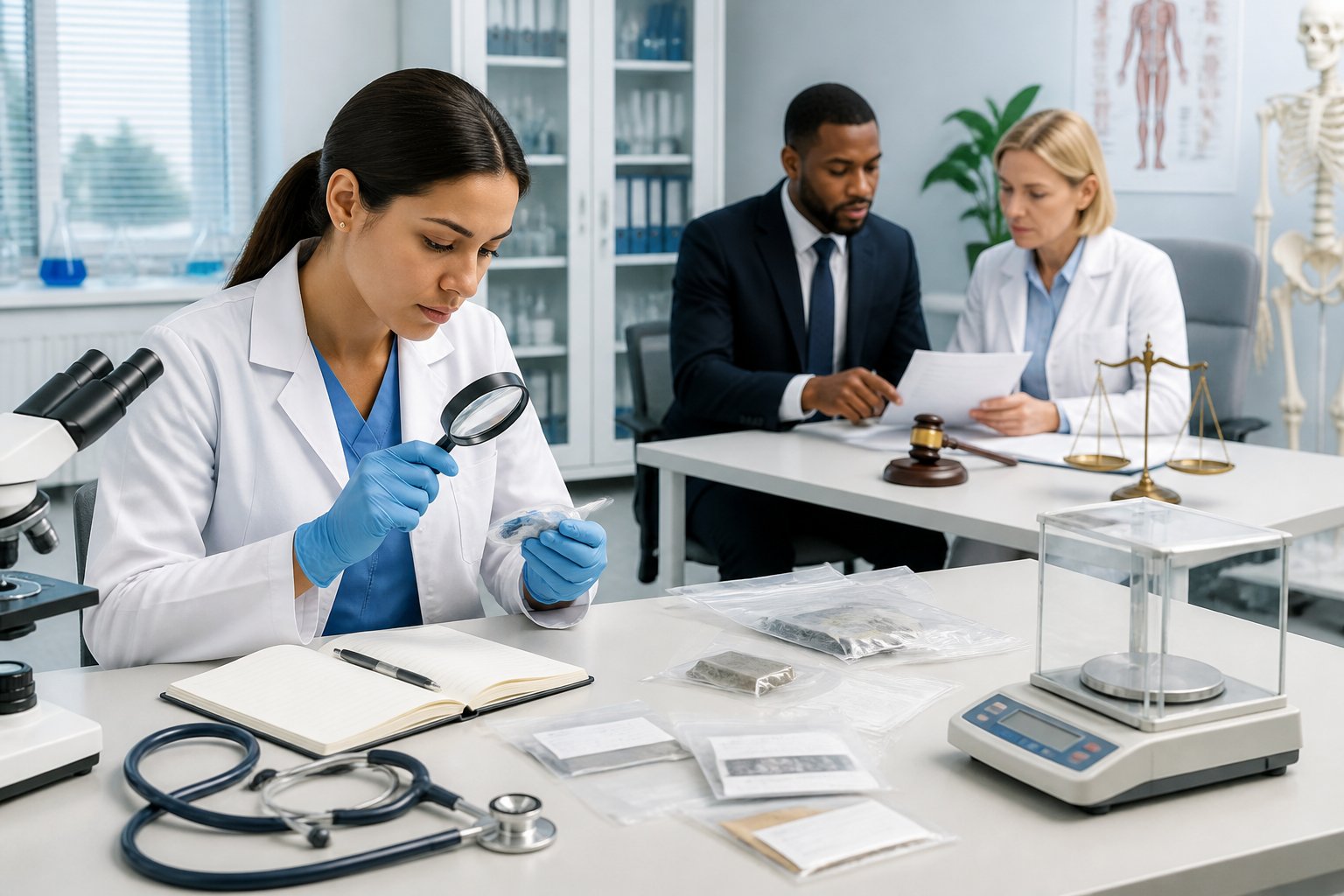
It’s easy to get confused because these fields overlap a lot. Both help courts and lawyers make sense of medical facts, and both need doctors who can translate complex health stuff for judges and juries.
Forensic science is actually broader than some people think, so knowing where each field starts and ends really helps. Medical experts play a big role in supporting legal cases, whether you’re testifying, working with examiners, or just curious about how doctors help solve crimes.
These two fields influence everything from criminal investigations to medical malpractice cases and workers’ compensation claims.
Key Takeaways
- Legal medicine covers all medical applications in law, while forensic medicine is more about physical evidence and death investigations.
- Both fields work together in the justice system, but they serve different purposes in criminal, civil, and administrative cases.
- Medical specialists in these areas work everywhere—from hospitals to crime labs to courtrooms.
Core Definitions and Scope
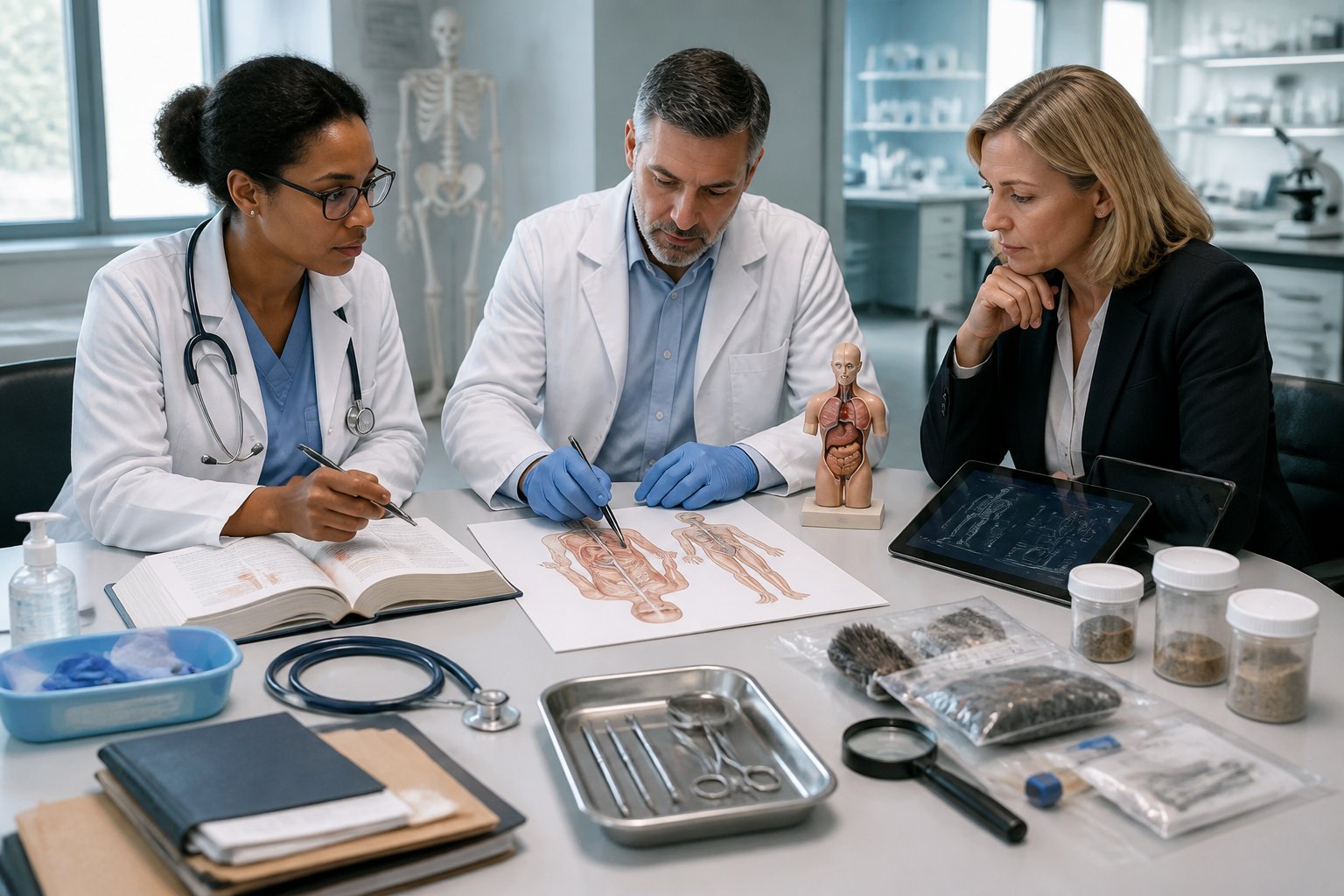
Legal medicine and forensic medicine are related fields that use medical knowledge to help with legal matters. Their scope and role change depending on the country and legal system.
What Legal Medicine Covers
Legal medicine focuses mostly on civil and tort law. Practitioners work on medical malpractice claims, disability assessments, and insurance disputes.
They deal with questions about patient rights and medical ethics in court. If you need someone to check whether proper medical standards were followed in a civil case, legal medicine steps in.
Legal medicine also handles workers’ compensation and personal injury claims. Practitioners review medical records and give opinions on what caused injuries, how appropriate the treatment was, and the long-term effects.
What Forensic Medicine Covers
Forensic medicine is mainly about criminal law and investigating deaths. In the US, forensic medicine pretty much means forensic pathology, which is all about autopsies in suspicious or unexplained deaths.
In Europe and the UK, you’ll see a wider scope. Forensic medicine can include examining sexual assault victims, investigating physical abuse, and checking injuries from alleged crimes.
It also covers toxicology, wound analysis, and figuring out causes of death. Forensic medical professionals work closely with law enforcement and prosecutors in criminal cases.
Why the Terms Sometimes Overlap
Some countries use “forensic” and “legal medicine” to mean the same thing. The terminology really depends on where you are and the local legal traditions.
Even experts can’t always agree if these are separate fields or just different names for using medical knowledge in legal settings. In some places, both criminal and civil work get bundled together, like in Germany, France, and Indonesia, where practitioners handle everything from death investigations to medical-legal consultations.
The Central Difference: Legal Context and Purpose

Legal medicine uses medical knowledge to support all kinds of legal issues. Forensic medicine sticks to investigating crimes and deaths.
The main difference is where and how each fits into the legal system.
Applications in Civil and Tort Law
Legal medicine steps in for civil cases when you need medical expertise to settle a dispute. Think personal injury claims, disability assessments, and informed consent issues.
In personal injury lawsuits, you count on medical experts to evaluate injuries and figure out fair compensation. Legal medicine specialists look at workplace injuries, car accidents, and medical malpractice cases.
They check if healthcare providers met the standard of care. Disability evaluations ask legal medicine professionals to decide if you qualify for benefits or accommodations.
Medical malpractice cases lean heavily on legal medicine. Experts review your records and testify about what a reasonable doctor would have done in that situation.
Applications in Criminal Law
Forensic medicine works mostly in criminal law investigations and court cases. You’ll see it when crimes involve physical evidence from people.
Forensic pathologists figure out cause and manner of death in suspicious cases. They do autopsies to find out if there was foul play, poisoning, or trauma.
Their findings help prosecutors build cases. Sexual assault exams also fall under forensic medicine.
Specialists collect evidence and document injuries using set protocols. This evidence is crucial in prosecuting sexual violence.
Forensic medicine handles injuries in assault cases, too. Experts describe wounds, estimate when they happened, and match them to weapons.
They might testify about whether injuries fit the victim’s or the defendant’s story.
How Medical Evidence Supports Legal Decisions
Medical knowledge connects healthcare with courtrooms. Expert testimony helps judges and juries understand complex medical info.
Medical evidence sets the facts that shape legal outcomes. In civil cases, records and opinions show how bad your injuries are and what caused them.
In criminal law, forensic findings can tip the scales toward guilt or innocence. Expert witnesses break down medical ideas into plain language, sticking to scientific methods and accepted standards.
Courts rely on this testimony to make decisions about compensation, liability, or criminal responsibility. The strength of medical evidence depends on careful documentation and chain of custody.
A case can turn on how well medical experts preserve and present their findings.
Roles, Specialists, and Work Settings
Forensic and legal medicine involve different specialists in varied settings. They all use medical knowledge in legal matters, but their jobs and workplaces depend on their roles and what the justice system needs.
Forensic Pathologists and Forensic Physicians
Forensic pathologists mostly do autopsies in suspicious or sudden deaths. You’ll find them in medical examiner and coroner offices, figuring out how someone died.
Forensic physicians, on the other hand, examine living people. You might see them in emergency rooms, sexual assault centers, or police stations.
These doctors check injuries, gather evidence, and assess victims of assault. In the US, forensic medicine and forensic pathology are basically the same.
In Europe and the UK, forensic physicians have a wider job description, including medical negligence and police practices. Both need extra training after medical school, and they have to know how to collect evidence and present it in court.
Medico-Legal Advisers and Coroners
Medico-legal advisers give expert opinions on medical issues in legal cases. People turn to them for advice on medical negligence, professional misconduct, or tricky medical questions in lawsuits.
Coroners investigate deaths in unusual situations. They decide if an inquest is needed and work with forensic pathologists for autopsies.
Some places require coroners to be doctors, others let lawyers do the job. These professionals work closely with police, lawyers, and the courts.
Their advice helps make sure everyone understands the medical evidence.
Clinical Practice in Secure and Detained Settings
You’ll also find these specialists in prisons, immigration centers, and secure psychiatric units. They provide medical care and handle legal requirements for people in custody.
Doctors in these places check if someone is fit for detention, document injuries from arrests, and assess mental capacity. They might testify about a detainee’s medical needs.
Police surgeons are a special kind of doctor here. They examine suspects in custody, check if they’re fit for interviews, and decide if it’s safe to keep them in police cells.
This job means knowing which legal rules apply and how they change medical duties.
Methods and Types of Evidence
Legal and forensic medicine both use specific methods to collect and analyze evidence. The way doctors examine people or bodies, document findings, and work with other specialists can differ.
Medical Examinations and Documentation
For legal cases, forensic doctors use several ways to get medical evidence. They might perform direct physical exams on living victims or suspects, or review photos if the person isn’t available.
Medical records from other doctors are another important source. Forensic medical departments do exams in hospitals, police stations, their own offices, police cells, victim homes, and police department facilities.
The exam type depends on how serious the case is. Minor cases might just need a photo review, while serious ones usually get a direct exam with police forensic services there for photos.
Doctors write different kinds of reports depending on what’s needed. Basic reports describe and classify injuries, while expert reports dive deeper and require the doctor to be formally appointed as a court expert.
In the Netherlands, it can take 1 to 8 hours for injury descriptions and up to 35 hours for expert reports.
Death Investigation and Injury Interpretation
Forensic pathologists use specific approaches when they examine death scenes and bodies. They look at injury sites and types to figure out the cause and manner of death.
This work feels pretty different from clinical medicine. Here, the focus shifts to legal questions instead of treatment.
Interpreting evidence takes careful analysis. Forensic pathology experts often use Bayes’ theorem to help weigh the strength of their conclusions.
Some cases need doctors to estimate when injuries happened. They check healing stages and tissue changes to get a timeline. This can show if injuries match up with what witnesses or defendants say.
The Relationship With Forensic Science
Forensic medicine works hand-in-hand with broader forensic science methods and techniques. Forensic doctors bring medical expertise, while other forensic scientists handle evidence like DNA, fingerprints, and trace materials.
Research methods differ between clinical and forensic medicine. Clinical research aims to treat disease, but forensic research looks for ways to answer legal questions using medical evidence.
Police forensic teams often team up with forensic doctors during exams. They take photos of injuries and collect physical evidence. This teamwork gives you both medical interpretation and solid documentation.
Practical Uses Across Law and Healthcare
Legal medicine shapes daily medical practice through consent rules and professional standards. Forensic medicine applies medical knowledge to help solve crimes and support court cases.
Both fields deal with civil disputes like malpractice claims, but their core focus areas are pretty different.
Patient Care, Consent, and Professional Standards
Legal medicine affects how you get care every day. Doctors need your informed consent before treatment, and they should explain risks and benefits in language you understand.
These rules protect your right to make choices about your body. Medical professionals follow legal and ethical standards that guide proper patient care.
Your medical records stay private under specific laws. Healthcare providers have to keep their licenses current and stick to treatment guidelines.
When treating minors or patients who can’t give consent, legal medicine sets clear rules. Emergency situations have different consent standards than scheduled procedures.
Civil Claims and Medical Negligence
If medical care falls below accepted standards and causes harm, you can file a lawsuit. Legal medicine experts review these cases to see if negligence happened.
They compare what occurred to what a competent doctor would have done.
Common medical negligence claims include:
- Surgical errors or wrong-site surgery
- Medication or prescription mistakes
- Misdiagnosis or delayed diagnosis
- Birth injuries to mother or baby
Medical experts testify about standard care in your case. They break down complex medical issues for judges and juries.
The court decides if the provider breached their duty and caused your injury.
Crime Investigation and Court Testimony
Forensic medicine brings medical knowledge to criminal law investigations. Forensic pathologists examine bodies to find the cause and time of death.
Clinical forensic medicine doctors examine living victims of assault, abuse, or sexual violence.
Forensic science labs analyze blood, tissue, and other biological evidence from crime scenes. DNA testing can identify suspects or victims. Toxicology reports reveal drugs or poisons in the body.
Forensic experts testify in court about their findings. They explain medical evidence to help prove or challenge criminal charges.
Their testimony must meet legal standards for scientific evidence. Both defense and prosecution use forensic medicine to support their cases.
How the Disciplines Work Together
Legal medicine and forensic medicine often overlap where medical expertise meets the needs of the legal system. The relationship between these fields can change depending on location, legal traditions, and local institutions.
Both forensic medicine and legal medicine use the scientific method when examining cases and writing reports for legal proceedings.
Professionals in both areas need to stay objective and give impartial testimony, no matter who hires them.
Medical examiners and legal medicine experts follow similar ethical standards. They document findings carefully, preserve evidence, and communicate clearly with non-medical audiences.
Forensic experts work closely with law enforcement and legal professionals during investigations and trials. Your role might include explaining autopsy results, describing injury patterns, or assessing medical negligence claims.
These responsibilities demand an understanding of both medical science and legal procedures.
Differences Across Countries and Legal Systems
The line between legal medicine and forensic medicine often depends on where you practice. Some countries treat them as separate specialties. Others use the terms almost interchangeably.
In Germany and some other European countries, legal medicine has historical roots as its own discipline. These systems usually highlight regulatory aspects of medical practice along with forensic work.
Common law countries like the United States focus more on forensic pathology and forensic science as main specialties. Your training and certification will depend on your location’s legal traditions and education system.
Choosing the Right Term in Practice
When describing your work or credentials, context is important. If you examine bodies to find the cause of death for criminal cases, you’re practicing forensic medicine or forensic pathology.
If you focus on medical malpractice, licensing, or healthcare regulations, legal medicine fits better. Many professionals actually work in both areas and hold certifications in both fields.
It’s smart to check which terminology your jurisdiction officially uses. Look at your local medical boards, professional groups, and legal authorities to make sure you’re using the right titles.
Frequently Asked Questions
Legal medicine and forensic medicine overlap, but they’re not the same thing in medical practice. The scope of each field, their legal connections, and the training required all have key differences.
What is the difference between legal medicine and forensic medicine?
Forensic science is a broader term than legal medicine, which is a more specific area within it. Legal medicine covers all medical topics that relate to law, including administrative medicine and healthcare law.
Forensic medicine zooms in on applying medical knowledge to legal cases and investigations.
You can picture legal medicine as the big umbrella that includes forensic medicine and other medical-legal matters. Legal medicine covers forensic pathology and administrative medicine, but they’re not always the same thing.
How does forensic medicine differ from forensic science?
Forensic medicine is a medical specialty. You need a medical degree and training in how diseases, injuries, and death relate to legal matters.
Forensic science is broader, covering many scientific fields beyond medicine, like chemistry, biology, and physics.
Forensic medicine specialists are doctors who examine bodies and living people for legal reasons. Forensic scientists might analyze fingerprints, DNA, or trace evidence in a lab. Both work with the legal system, but their backgrounds and tasks are different.
Is forensic medicine a branch of law or medicine?
Forensic medicine is a medical specialty that applies medical knowledge to legal questions. You need a medical degree, not a law degree, to practice.
Forensic medicine has been recognized by medical authorities as a real medical field.
This specialty bridges medicine and law by helping courts understand medical evidence. Doctors use their training to answer legal questions about injuries, deaths, and health conditions.
What are the main responsibilities of a forensic medicine specialist?
A forensic medicine specialist examines both living and deceased people to provide medical evidence for legal cases. They figure out causes of death, document injuries, and check if injuries match what patients or witnesses say.
These specialists work on cases involving suspected abuse, assault, sexual violence, and unexplained deaths. They write detailed reports and often testify in court to explain their findings.
Forensic and legal medicine practitioners often work to ensure vulnerable populations are not disadvantaged in the legal system. They might review medical records and give expert opinions on whether healthcare providers met the right standards of care.
What are some examples of forensic medicine cases?
Forensic medicine specialists handle deaths under suspicious or unclear circumstances. They perform autopsies to see if someone died from natural causes, accident, suicide, or homicide.
You might find these experts examining victims of domestic violence to document injuries for court. They also assess sexual assault victims, collect medical evidence, and record trauma.
Other cases include workplace injuries, traffic accidents, and deaths in custody. They also evaluate living patients who claim medical malpractice or work-related injuries.
These specialists help courts figure out whether medical conditions or injuries match the events being investigated.
Do legal medicine and forensic medicine require different training or qualifications?
Both legal medicine and forensic medicine start with a medical degree. That’s your base.
After medical school, you’ll need specialized training. Residency programs in forensic pathology or forensic medicine are the usual next steps.
Training paths can look pretty different. It depends on whether you want to focus on examining the deceased or work with living patients.
Some programs lean into forensic pathology. Others put more weight on clinical forensic medicine as a medical specialty for living people.
You might also go after extra certifications, like in child abuse pediatrics or forensic pathology. What you actually need depends a lot on your country and the job you want in the field.